Set Users Up for Success
Revamping onboarding for DigitalOcean
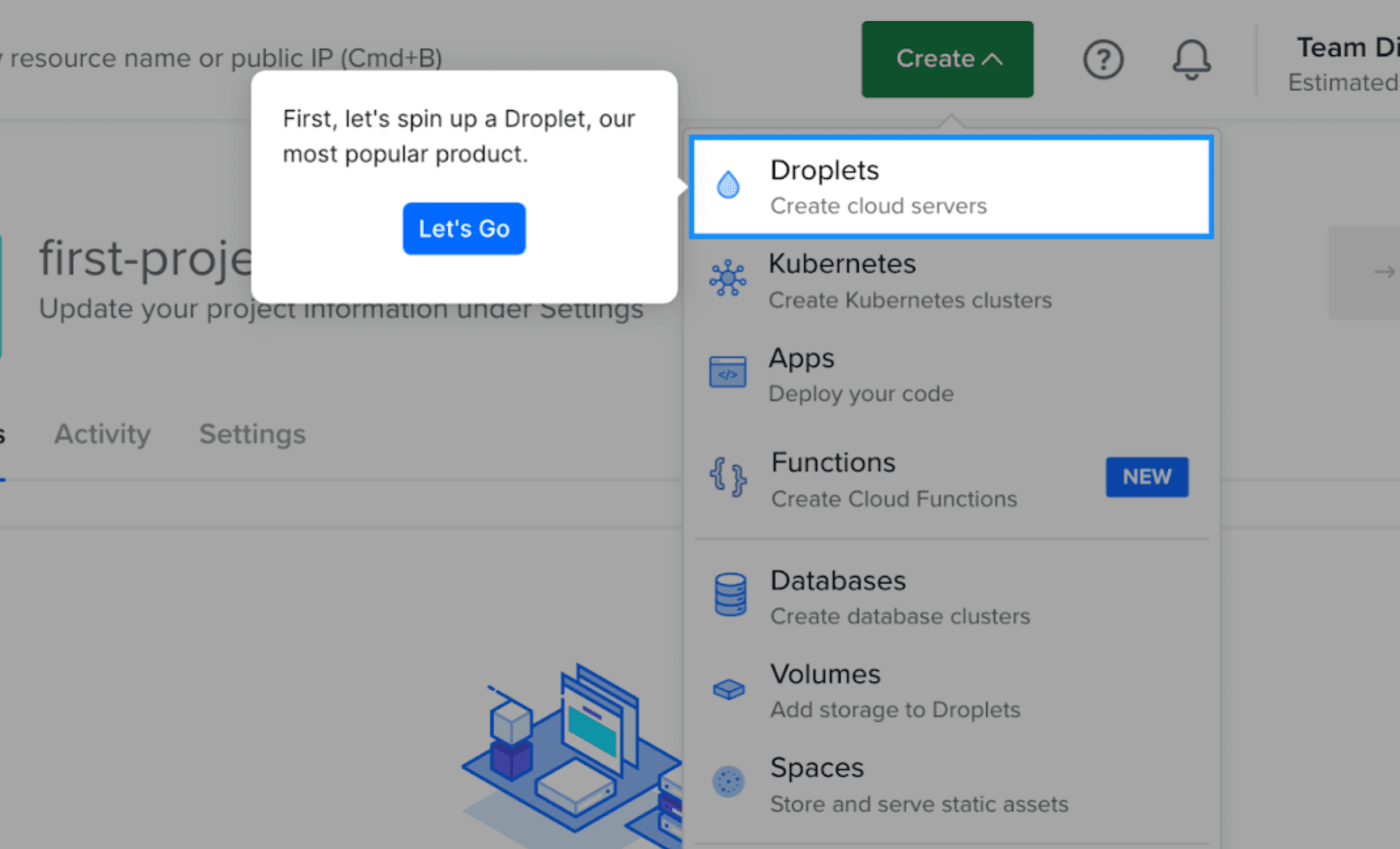
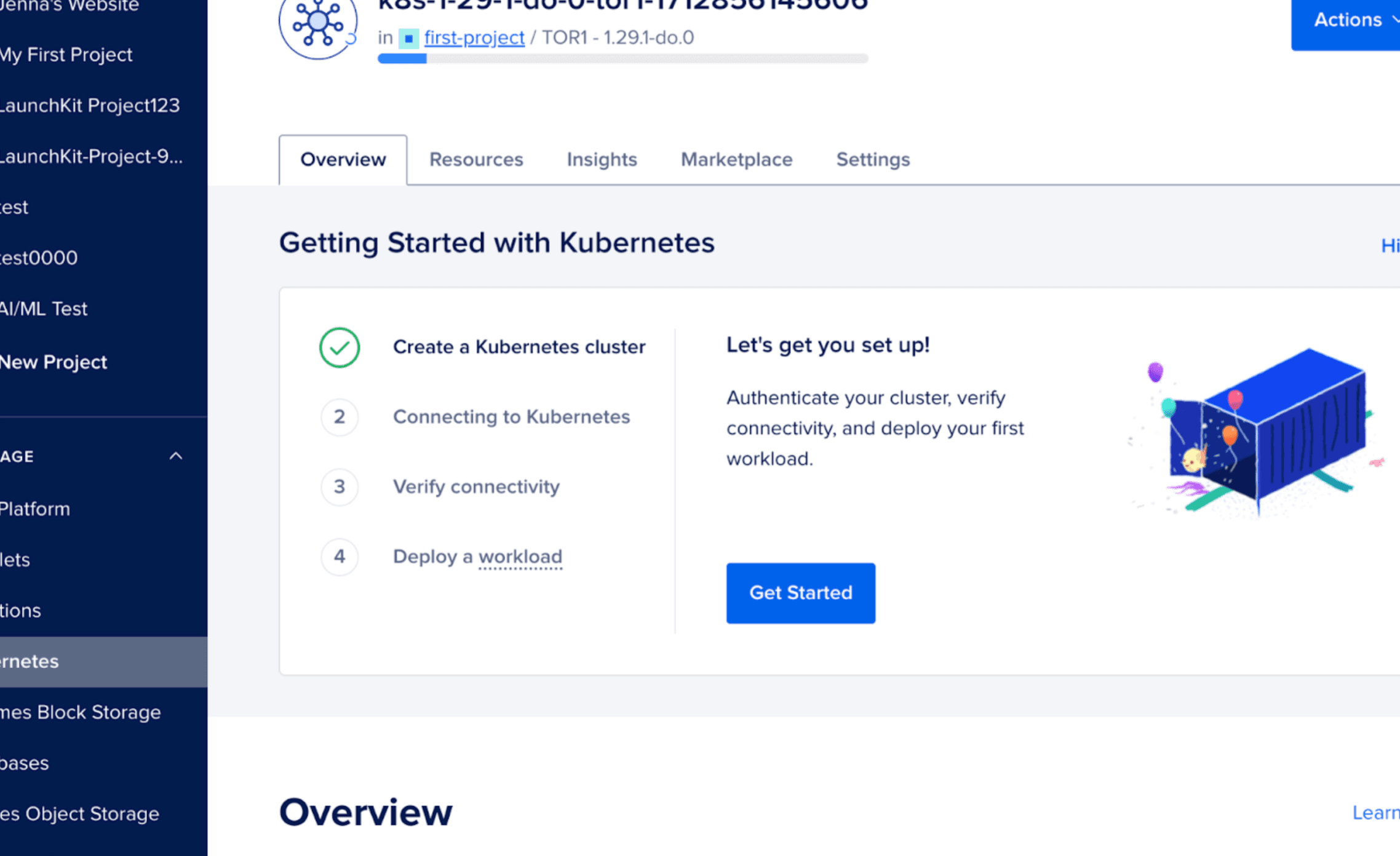
DigitalOcean is what developers reach for when they want to spin up a server fast. The promise is ten minutes from sign-up to running.
The actual ten minutes felt longer, especially if you'd never touched cloud infrastructure. People got stuck. People left.
Team owners had it harder. They were trying to bring in three or four collaborators on day one, and the product didn't show them how.
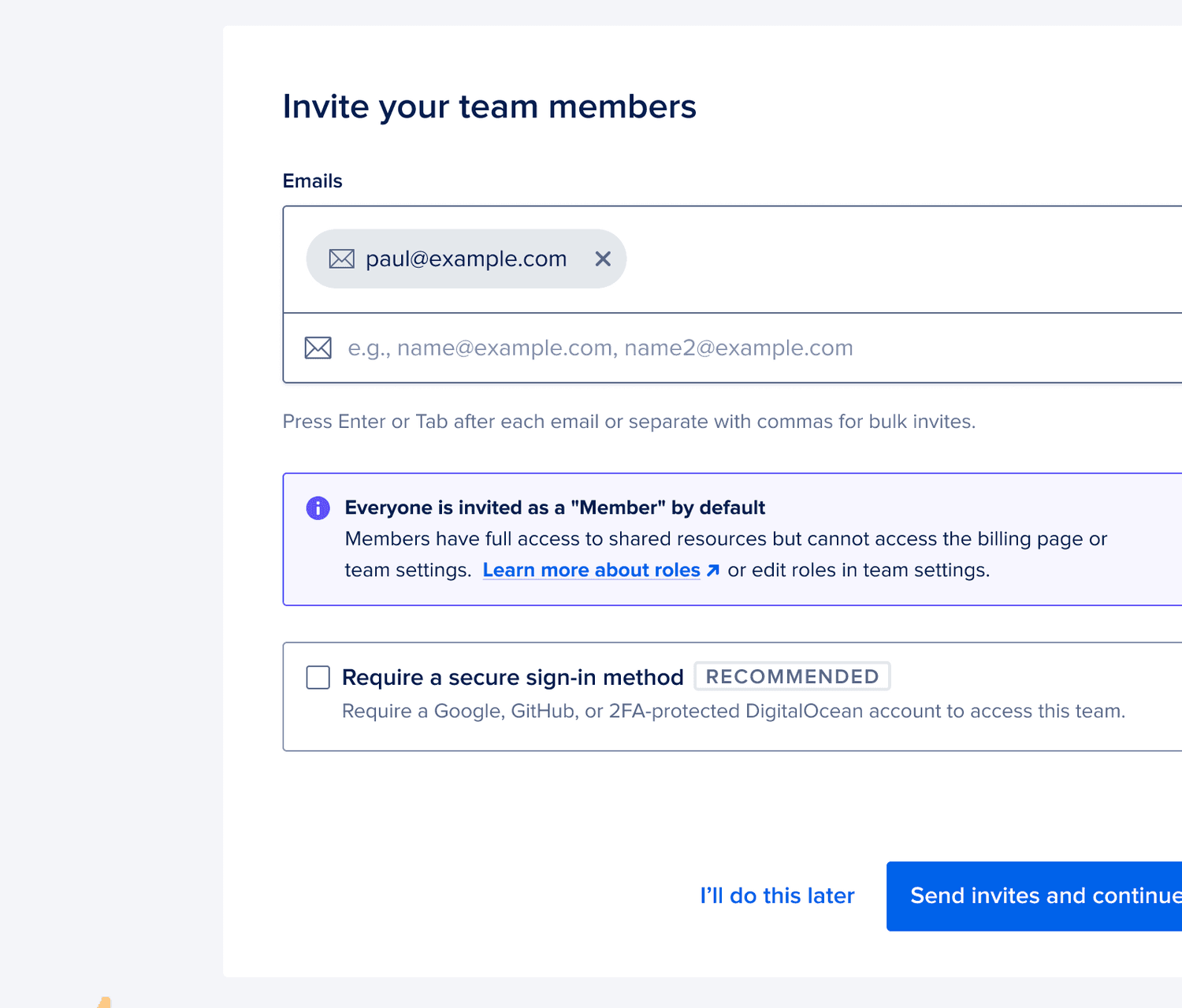
We rebuilt the front of the funnel so the first thing a new owner did was add their team. The rest of setup followed from there.
What was happening
The first day felt too hard.
We sat with twelve new users over four weeks and watched them sign up. Most of them were trying to do something specific: ship a side project, stand up a staging environment for their team, host a portfolio. None of them were thinking about IAM models or droplet regions.
By minute six, half of them had Googled away to find a tutorial written by somebody else. By minute nine, two had given up and closed the tab. We started referring to that drop as the day-one cliff. It showed up in the analytics every Tuesday morning, the weekend signups that never came back.
Time to first useful action was thirty-eight minutes on average for first-time cloud users.
Owners trying to bring teammates in had to navigate four screens before finding the invite path.
Our permissions language was lifted from internal IAM docs. Nobody outside the team understood it.
Support tickets in week one were dominated by "how do I add my coworker." The answer was non-obvious.
What we shipped
Bring your team first.
The new flow opens with a single screen: paste in the people you work with. Roles default to something sensible. The technical permissions live behind a tooltip written in English, with examples, so the user can read it in eight seconds and move on.
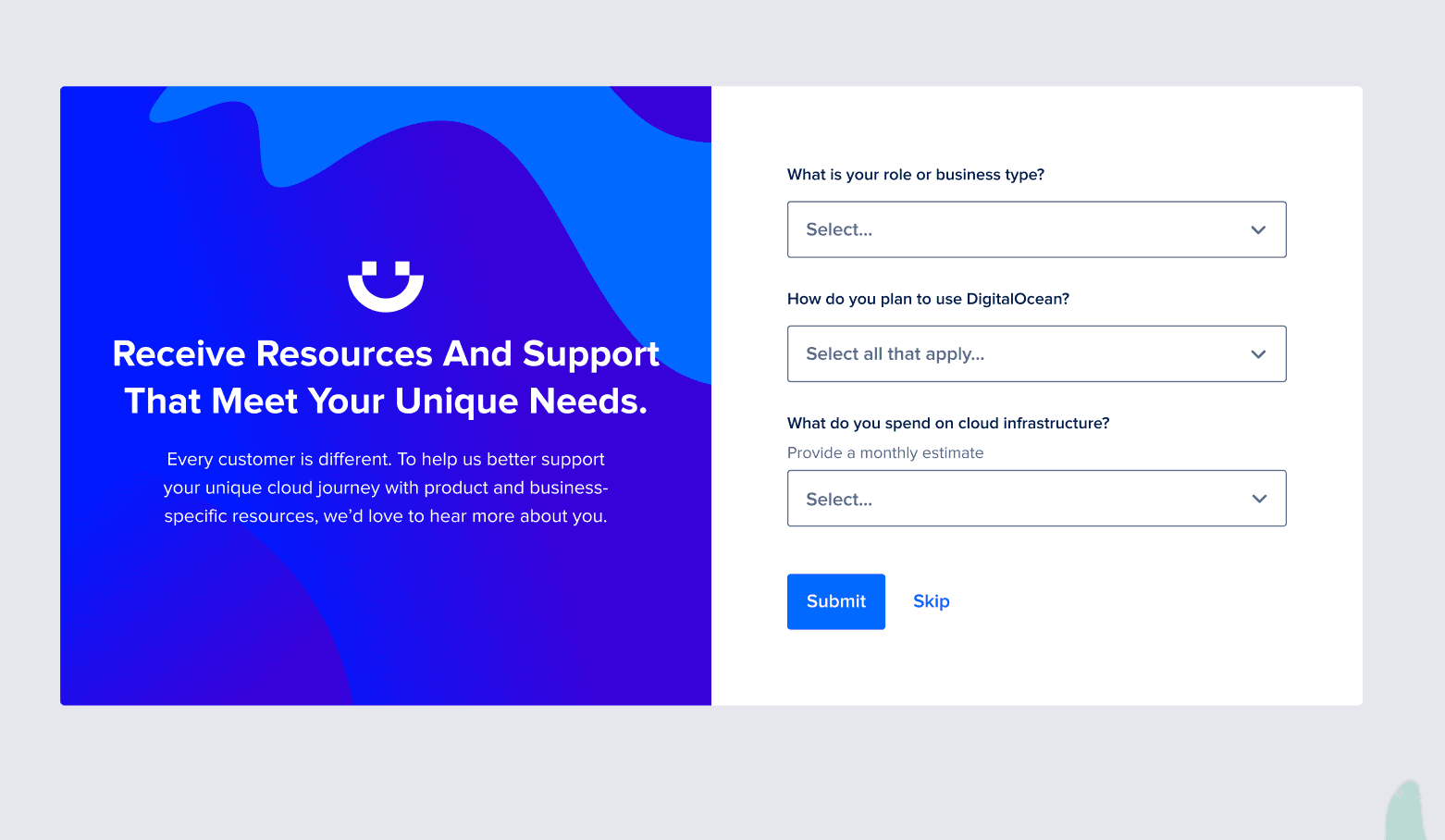
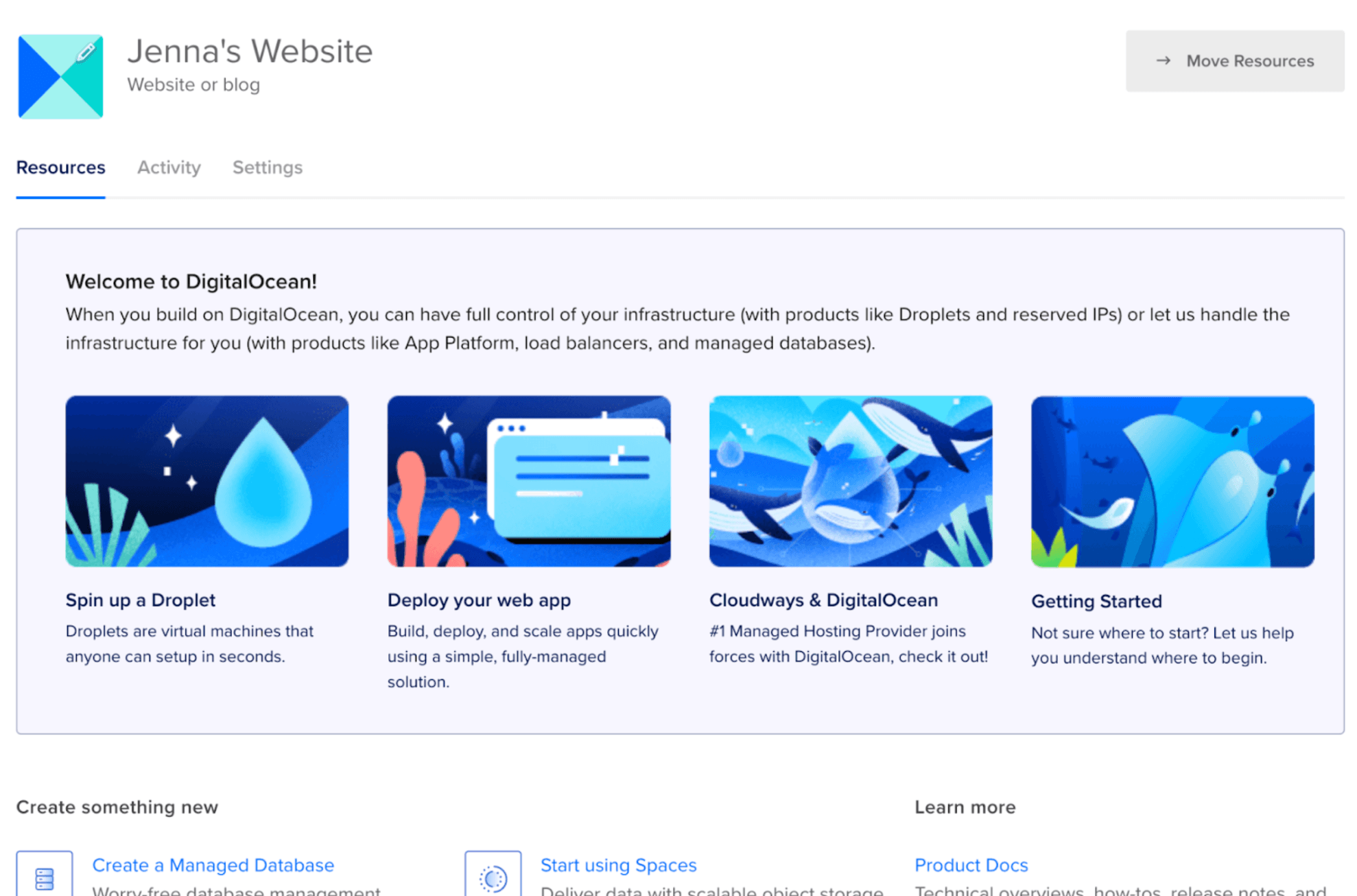
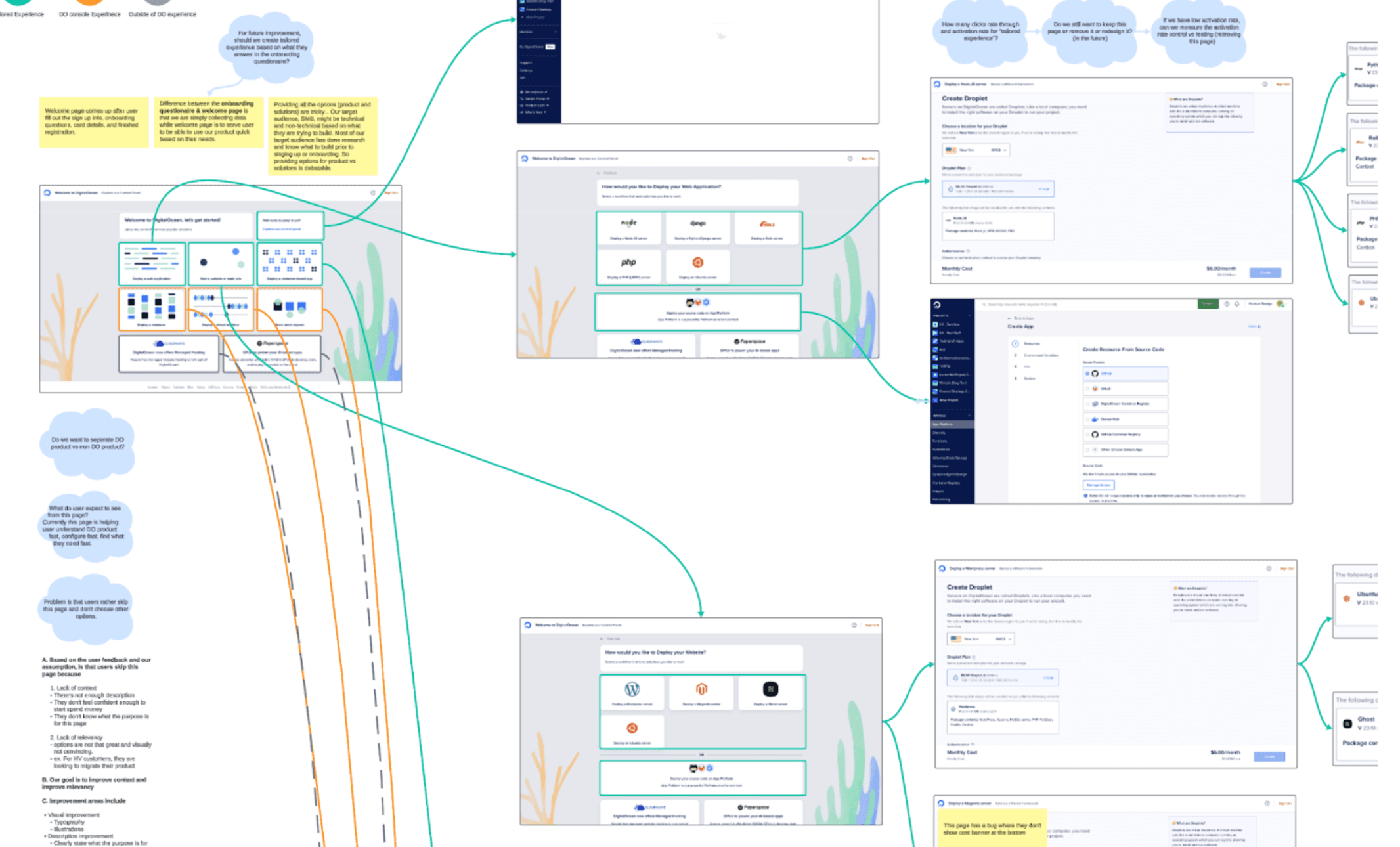
Phase two layered in customization: custom roles and per-project permissions, the features power users were asking for in feedback, but written so a brand new user wouldn't be confronted with them on day one. Defaults handle the common case. The detail sits one click away.
"Inviting team members has never been easier."
User research, post-launch
What changed
The day-one cliff flattened out.
Time to first value dropped 30%. The Tuesday-morning drop in the analytics flattened.
Team collaboration during the first session went up 20%. Owners were inviting at the moment they were thinking about the team.
Support tickets about invites fell off the top-ten list.
The flow shipped clean. Phase two started picking up the harder cases inside three weeks.
Most onboarding work I've done points back at the same lesson. Watch real people. Watch where they pause. Move the friction earlier in the flow, before they've started building up the feeling that this product is hard.
- DigitalOcean
- Technology
- Cloud Computing
- Design Leadership
- User Experience Design
- Visual Design
- Growth Experimentation
- Jenna Kuck-Chang (Design)
- AJ Zichella (Design)
- Susan Johnson (Design)
- Roger Brown (Product Management)
- Nick Silkey (Engineering Lead)