Design at DigitalOcean
Driving a product design practice to maturity: building at the platform level, shipping every week, and making space for designers to own their outcomes.
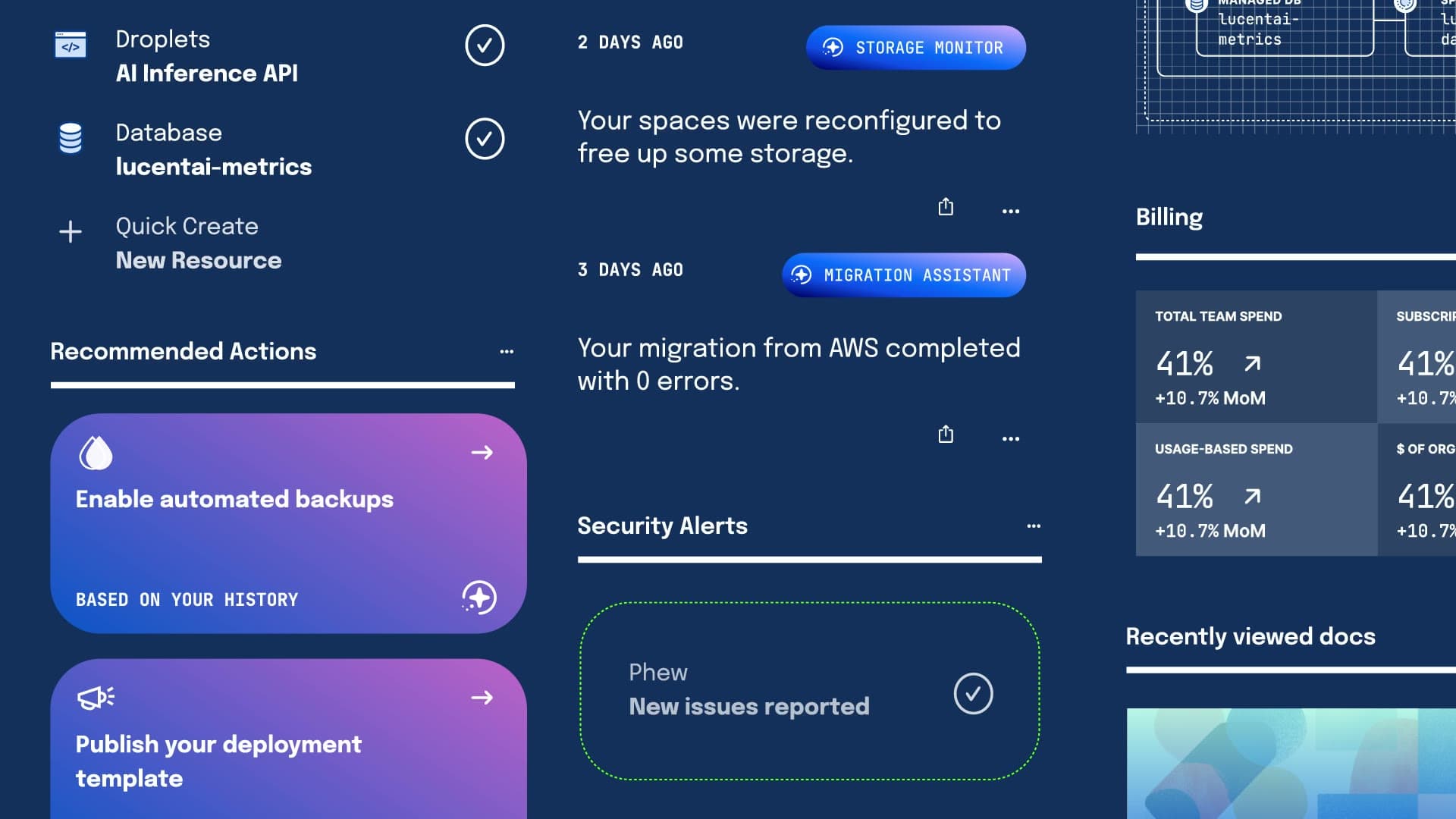
DigitalOcean's promise is to make the cloud feel simple. I came in as Head of Product Design and Documentation to carry that through the hardest stretch the company had faced: over 600,000 customers, more than $1B in ARR, increasingly sophisticated needs, enterprise customers arriving, and AI rewriting what a cloud product could be.
I led the whole experience: core platform, AI, design systems, documentation. The team was 15-plus designers and writers. I stayed hands-on in Figma and critique because a team trusts a leader who can still do the work.
Two competing priorities ran at once: a slow clock to mature the practice at the platform level so every release got better, and a fast clock to ship every week on a real roadmap. Most of what follows is the story of holding both.
This page is the overview. Deep dives are linked throughout.
The remit
Two clocks: mature the practice, and ship every week.
Platform work pays off everywhere, later. I rebuilt the Walrus Design System so designers and engineers stopped duplicating components. That cut handoff friction by 40% and made every team faster. I built career ladders for UX and documentation so people could see what growing looked like. None of that shows up in one release, but it changes every release after it.
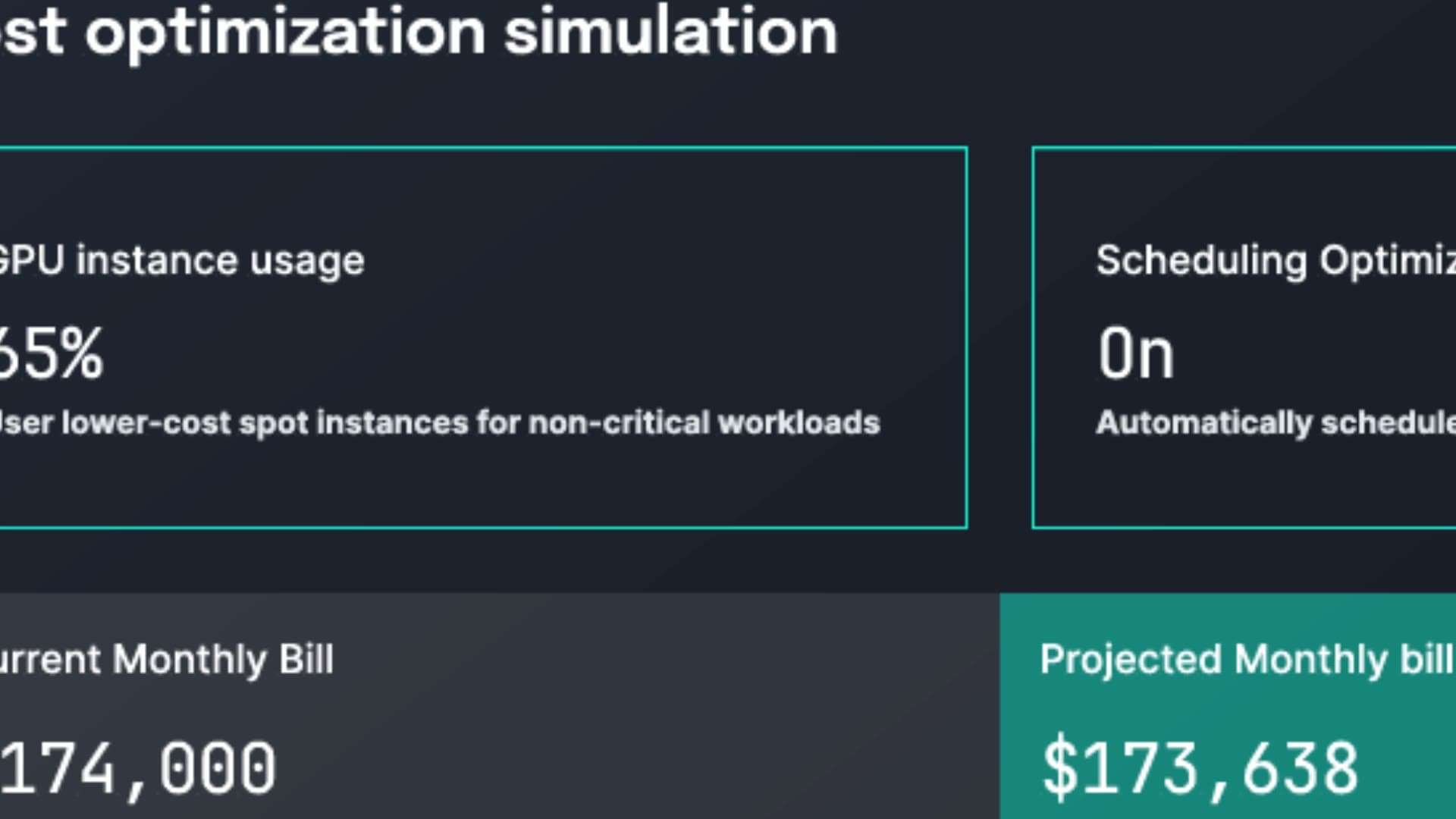
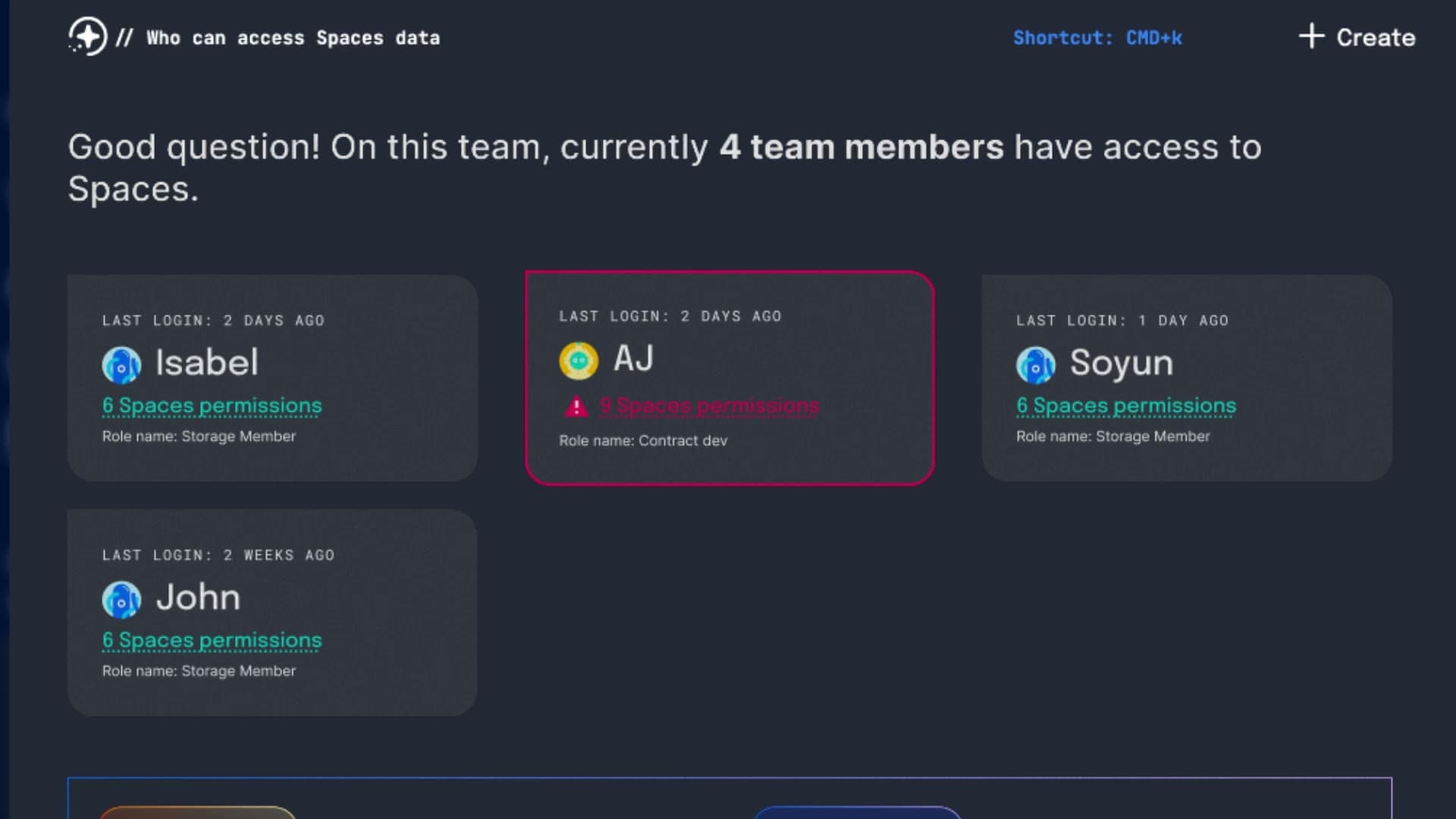
The fast clock kept the practice honest. While we matured the system, we shipped. We launched IAM and RBAC, organizations, and billing: the infrastructure enterprise customers need before committing. That work drove a 60% increase in adoption across enterprise accounts.
We also brought DigitalOcean into embedded AI, building copilots that reached more than 800,000 users. That work has its own case study.
The slow system makes shipping every week sustainable. Shipping every week keeps the system honest. Lean too far into the slow work and you get a beautiful system nobody ships on. Lean too far into shipping and you get debt and burned-out designers. Leadership is keeping both going.
The org
A place where designers own their outcomes.
I'm proudest of building a way of working where designers do their best because they own what they deliver. I moved the org toward squads: design, product, and engineering together, owning a problem start to finish. My job was to define the outcome clearly (what we're solving, why, and how we'll know it worked), then get out of the way on how to do it. The squad owns the solution. That ownership is where good work comes from.
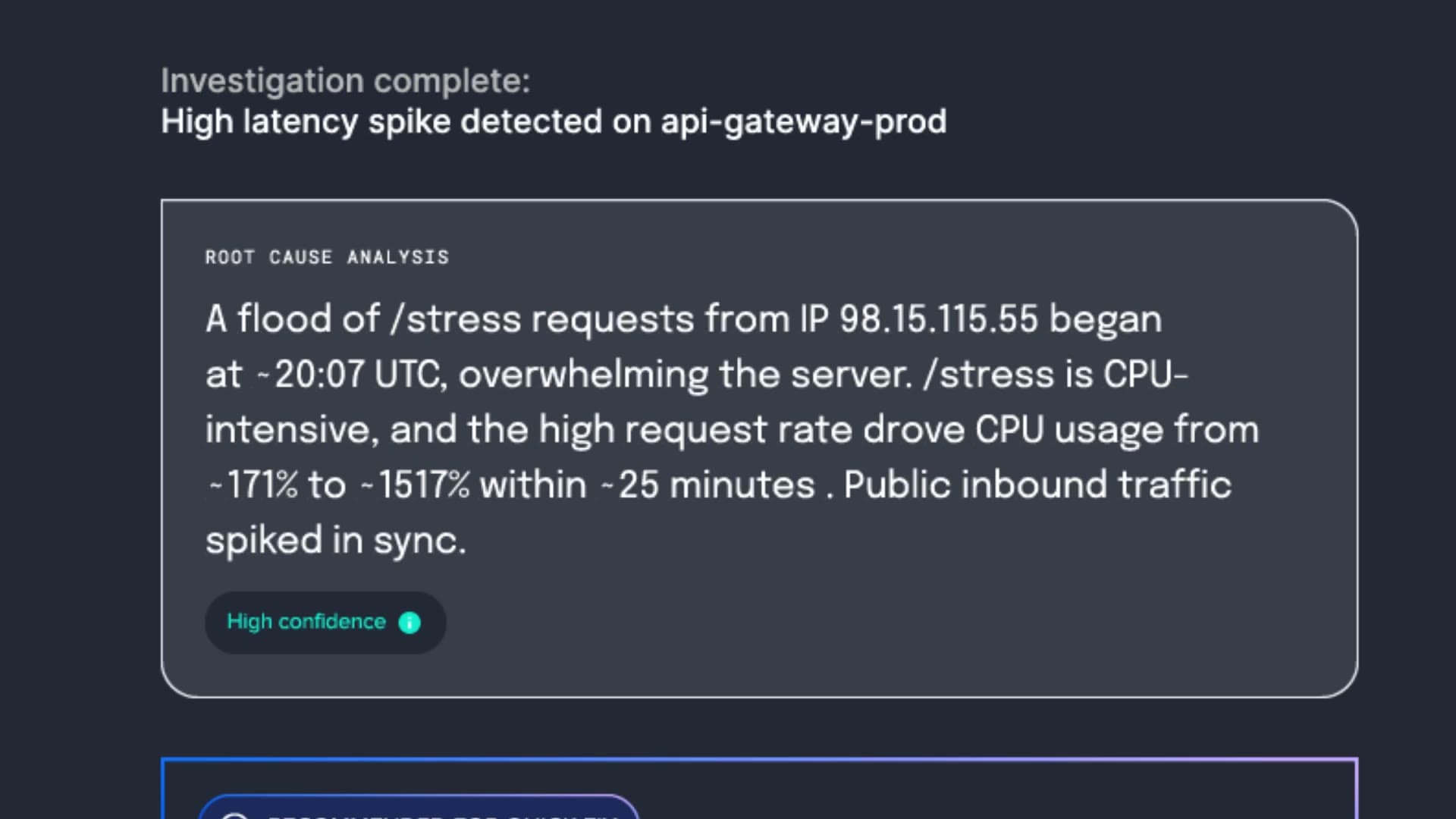
When a designer gets a ticket, they execute. When a squad gets an outcome, they invent. I spent leadership energy on outcome definitions clear enough that a squad could move without a leader hovering, and culture safe enough that they'd take real risks.
For the new inference cloud, I set the vision, built squad structures around it, and ran an acceleration program across all disciplines so teams could move fast. Designers who own their outcomes do their best work. The company needs that work.
The work
Vision down to shipped surface.
A practice is only as credible as what it puts in front of customers. Three bodies of work show the range, from a decade-out vision all the way down to a single create flow. Each has its own case study.
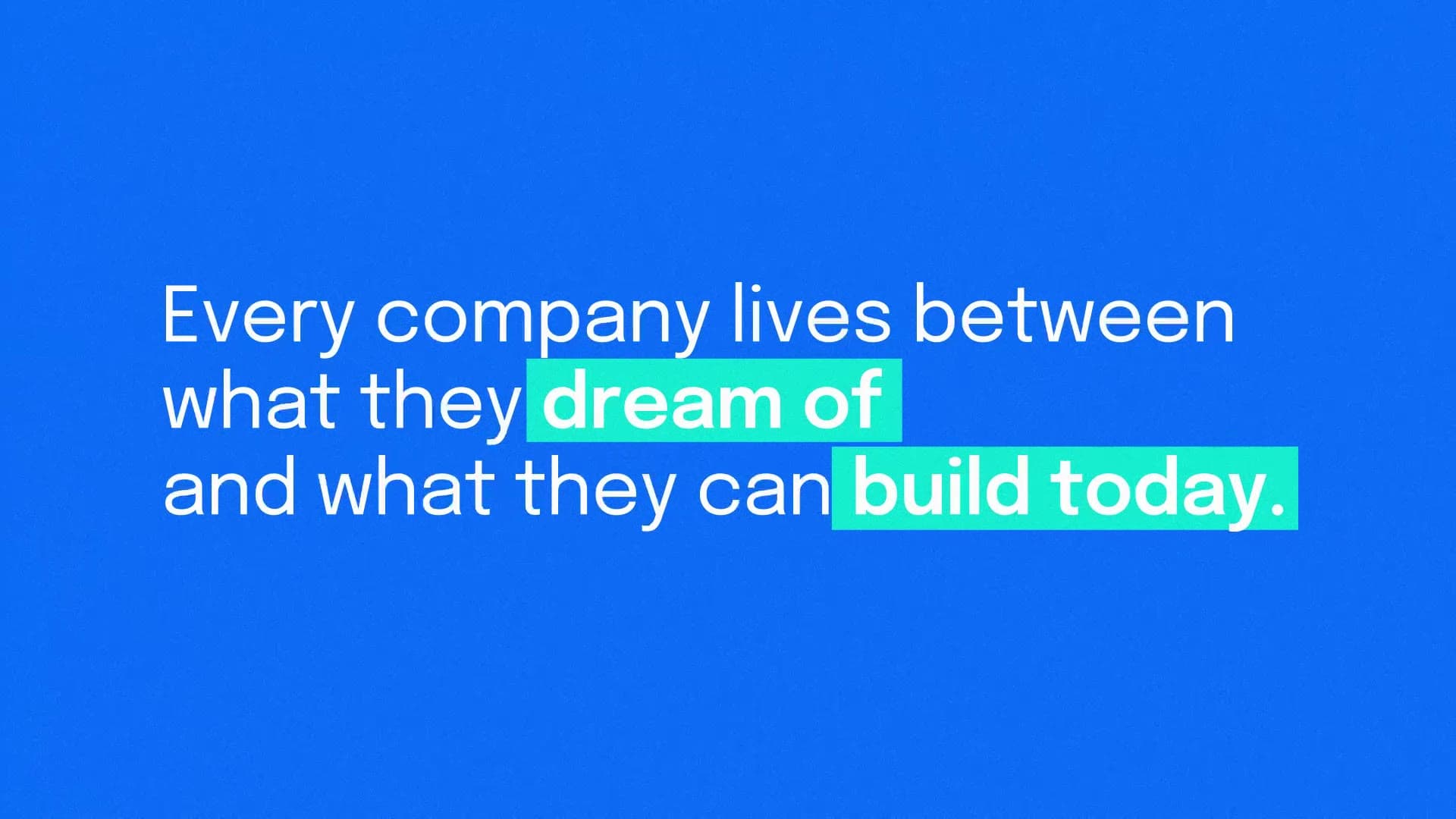
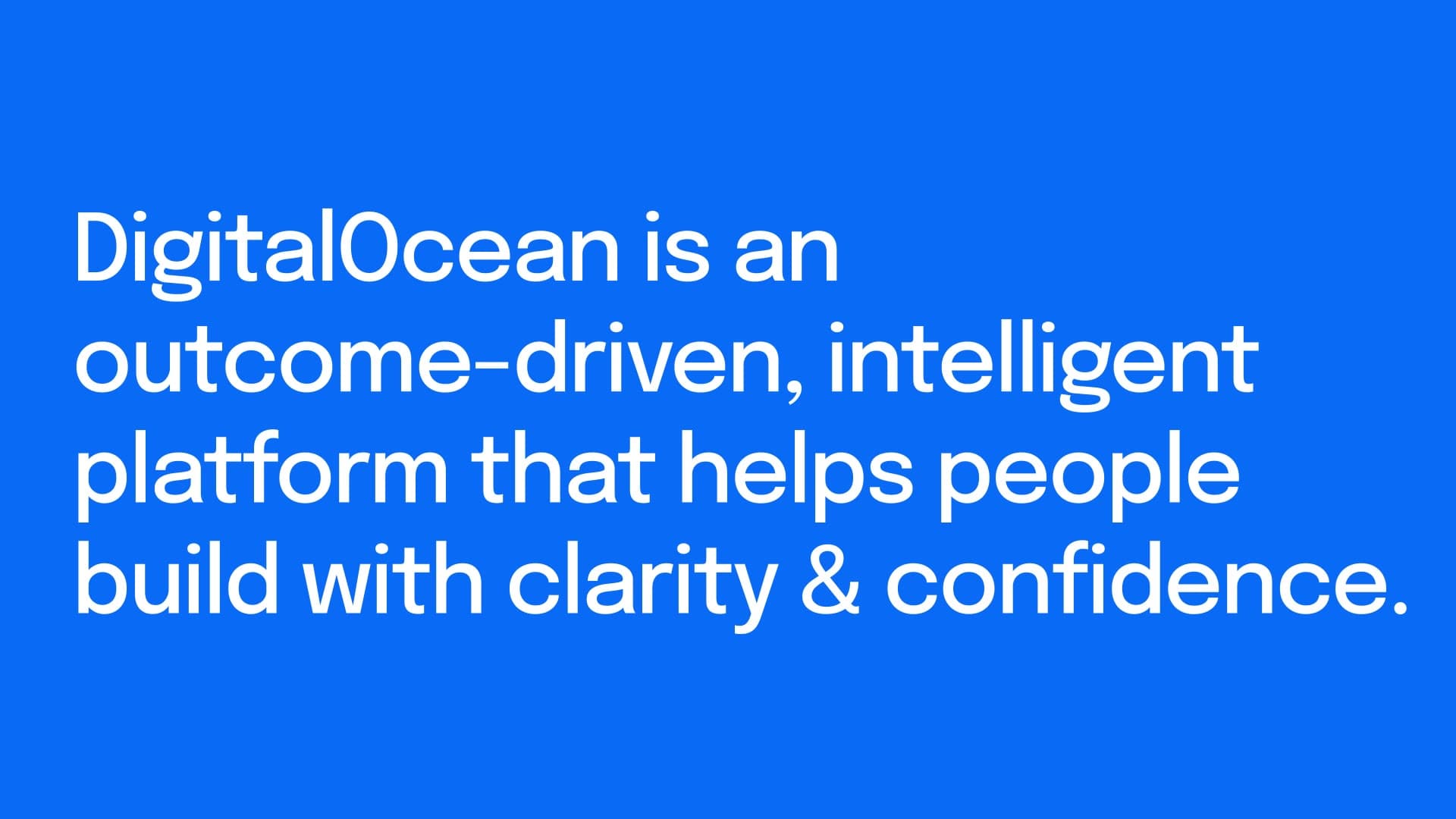
do.next is the long-term vision I led for the next decade of DigitalOcean, told as four short stories about the people who use it. A seven-minute vision video got the whole company on the same page about where we were headed, and the work underneath it became the roadmap teams ship from.
Read the do.next case
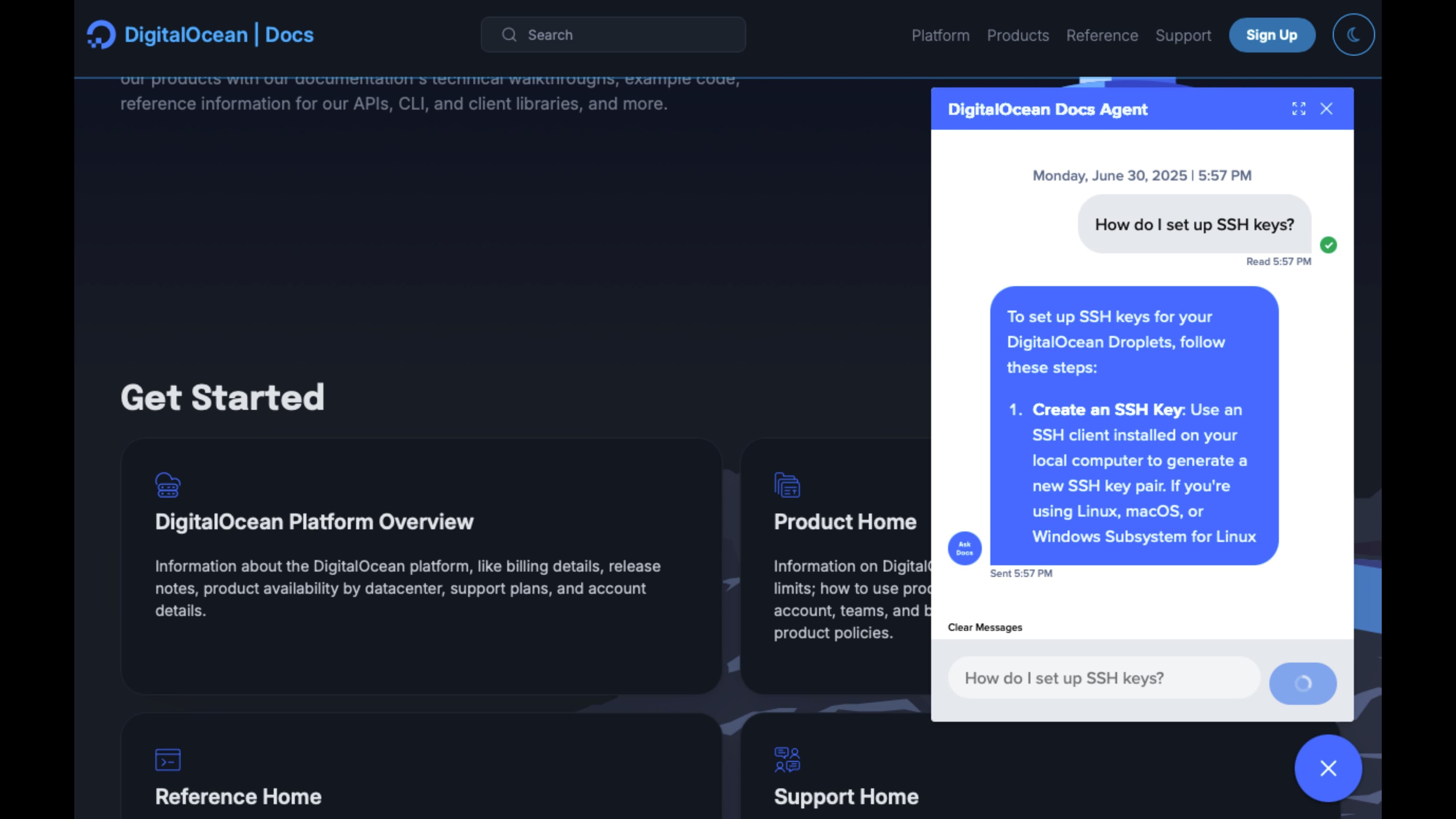
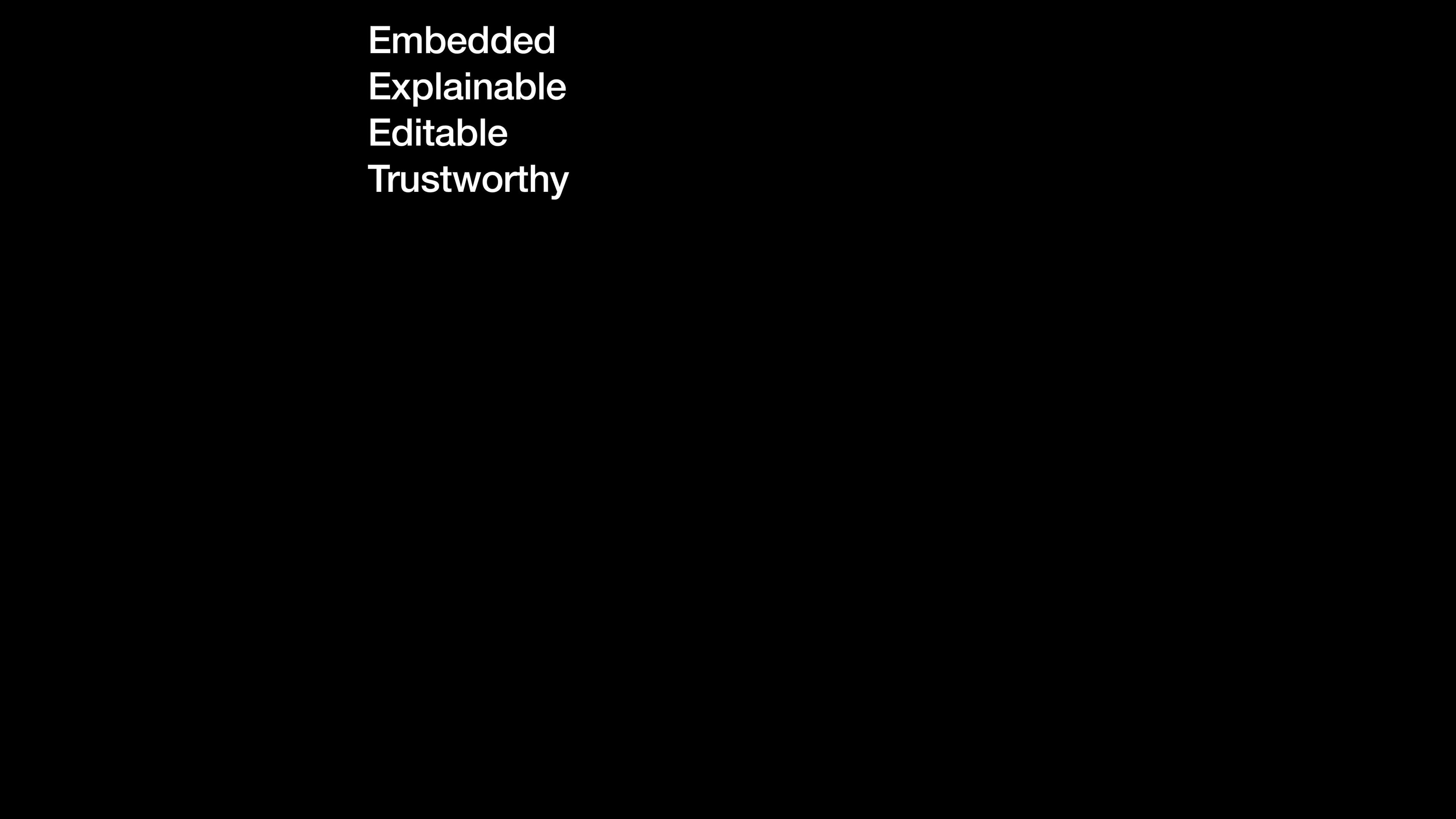
The Copilot journey took a small docs widget and grew it into a copilot embedded across the product, and eventually a platform other companies build on. We held the team to four words, embedded, explainable, editable, trustworthy, and used them to make AI users would actually rely on.
Read the Copilot case
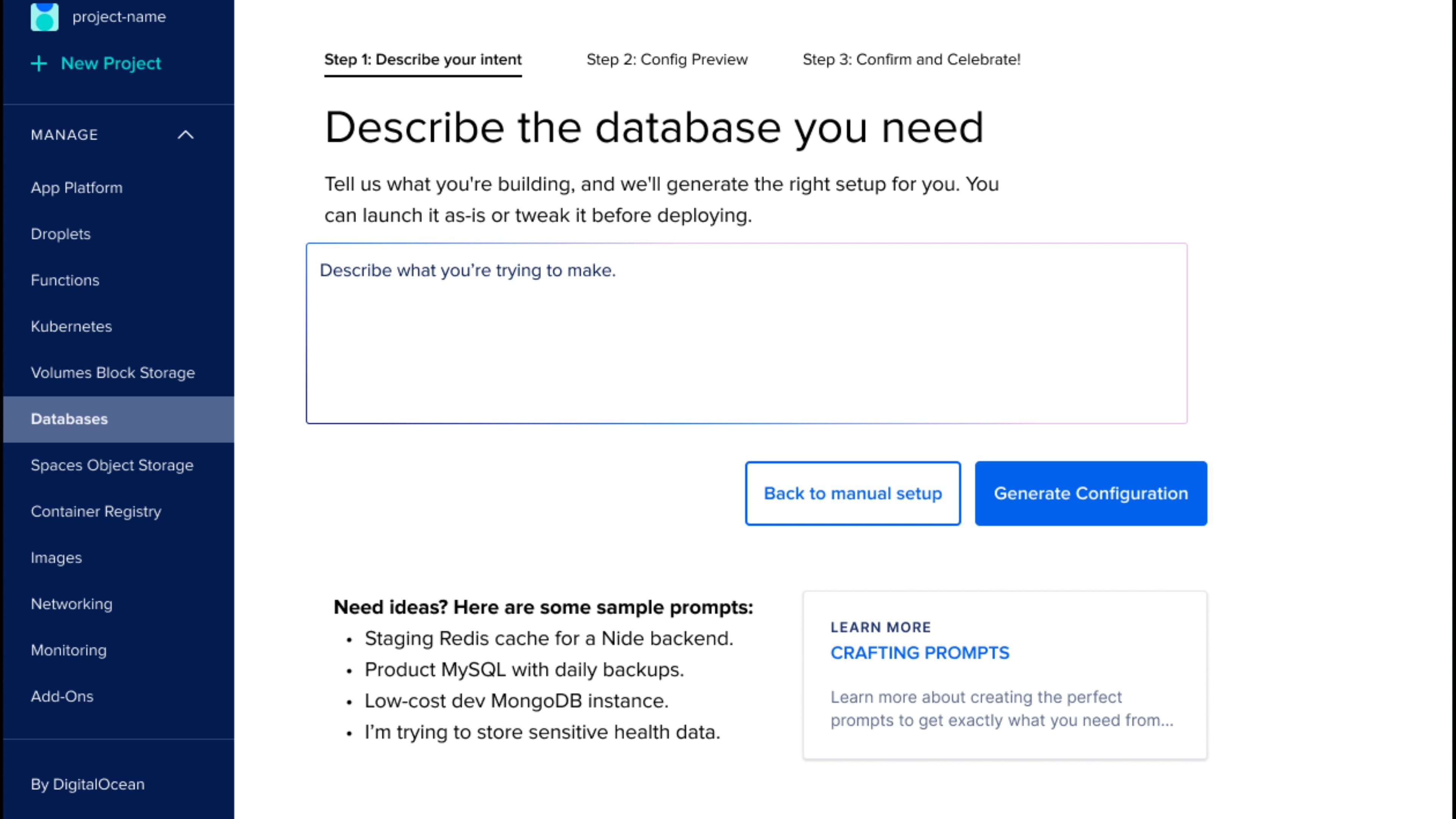
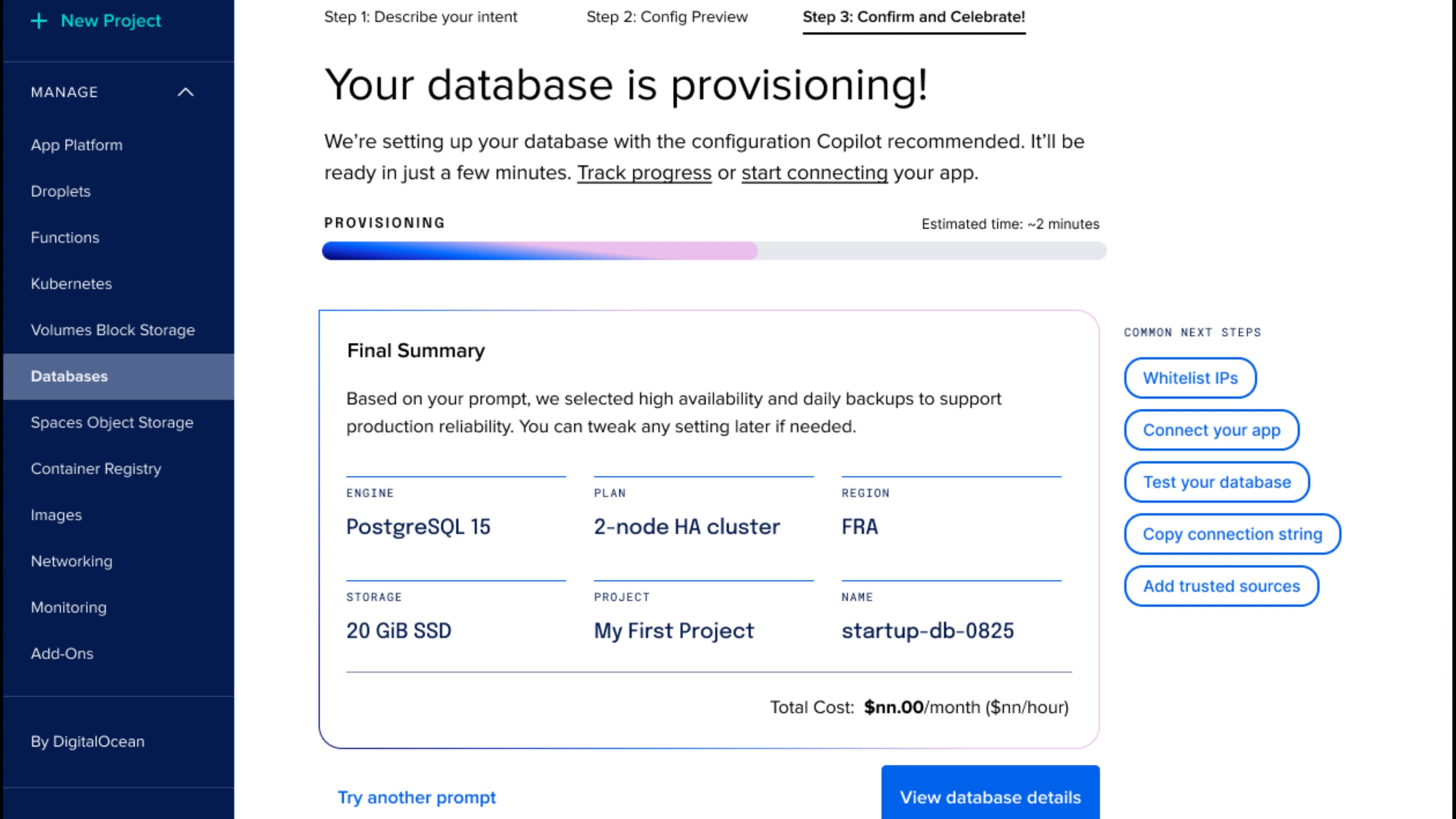
Database Create Copilot is the whole platform idea made real in one flow: describe the database you need, and the copilot sets it up with you instead of making you click through every decision. It was the first feature built on the copilot platform we'd invested in, which is the whole reason you build a platform in the first place.
Read the Database Copilot case
Culture
A room is a stage. I know how to work one.
Some of my biggest impact at DigitalOcean happened in front of the whole company at all-hands. Design's job in those moments is to make people feel where we're going, a performance skill I learned in theatre: how to read a room and build a moment that lands. When a vision is felt by hundreds at once, it becomes direction the company moves together instead of a deck someone showed once.
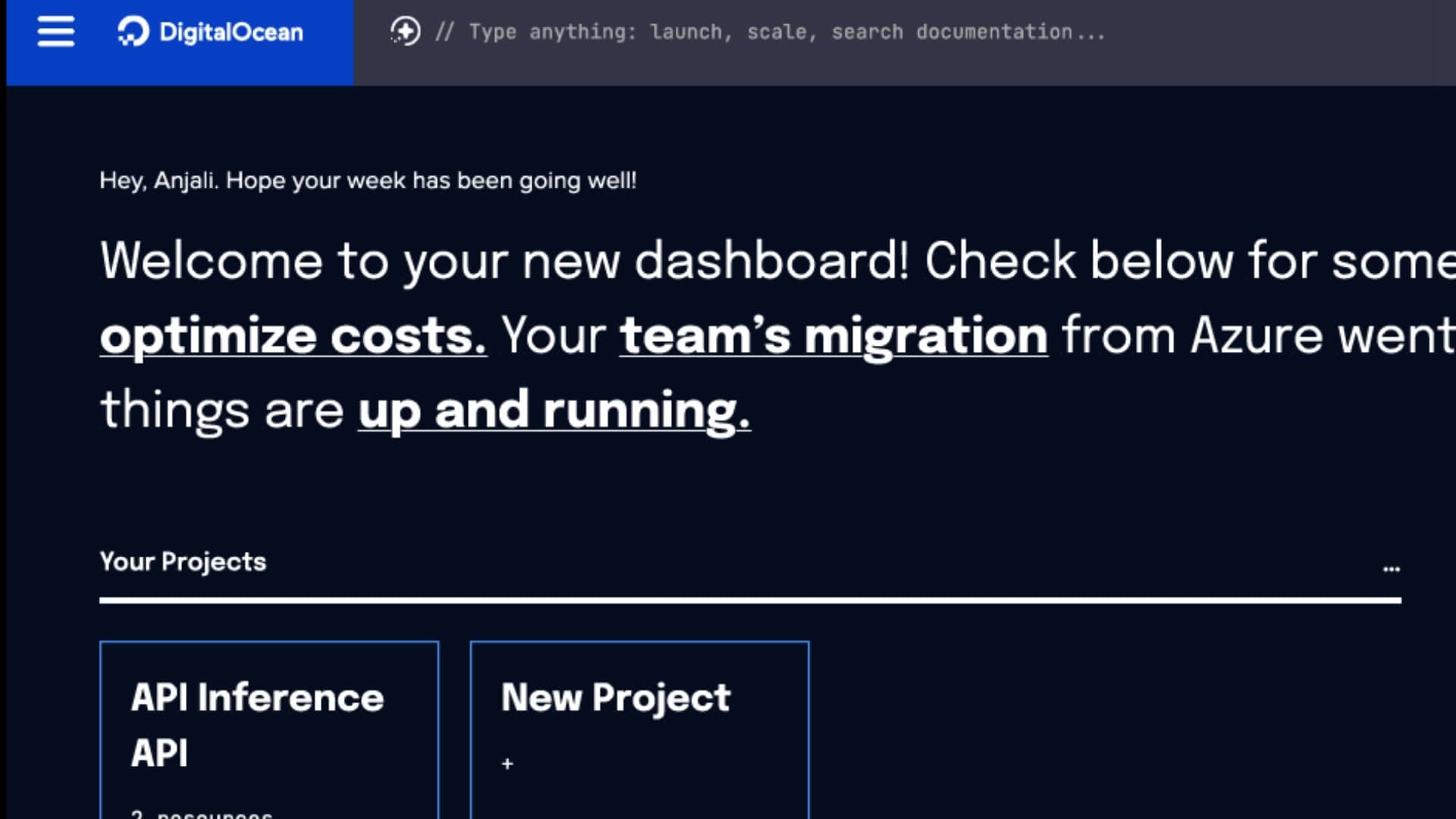
Culture and craft are the same work. All-hands moments set direction. The squad model and design system gave teams the means to chase it. Shipping every week proved it was real. Staying hands-on kept me leading from inside the work, not above it.
By the end the design org thought at the platform level, shipped every week, owned outcomes, and understood design as something the company feels every day.
The work I'm proudest of doesn't show up on a screen. It's a team that got better at design faster than the roadmap got harder, designers who own outcomes instead of executing tickets, a company that feels where its product is going. I got to build the practice, ship every week, give people room to own results, and keep my hands in the work. It's why I came to DigitalOcean.
Why
- DigitalOcean
- Cloud and Developer Tools
- AI
- Head of Product Design and Documentation
- Design Leadership
- Org Building
- Product Strategy
- Player-Coach
- Design Leadership
- Design Systems
- Product Strategy
- Research
- Visual Storytelling
- AJ Zichella (Design)
- Soyun Park (Design)
- Isabel Shic (Design)
- Kevin Carrillo (Engineering)
Up next